Theme - Default
Causes and Symptoms of Achilles Tendinitis
Tuesday, 04 August 2026 00:00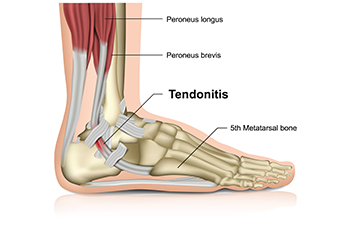
Achilles tendinitis is a common overuse condition that affects the Achilles tendon, which connects the calf muscles to the heel bone. This strong tendon plays a key role in walking, running, and jumping by allowing the foot to push off the ground. Achilles tendinitis develops when the tendon becomes irritated or inflamed due to repetitive strain. It is frequently seen in active individuals, especially those who increase activity levels too quickly or engage in high-impact exercise without proper preparation.
Symptoms of Achilles tendinitis often begin with mild pain or stiffness along the back of the heel, especially after periods of rest or in the morning. As the condition progresses, the pain may worsen during physical activity and continue afterward. Swelling, tenderness, and a thickened appearance of the tendon may also occur. Some individuals experience limited flexibility in the ankle or discomfort when climbing stairs or walking uphill. Early recognition of these symptoms can help prevent more serious tendon damage.
The primary cause of Achilles tendinitis is repetitive stress placed on the tendon without adequate recovery time. Sudden increases in physical activity, tight calf muscles, and improper warm up routines can contribute to strain. Wearing unsupportive footwear or exercising on hard surfaces may also increase the load on the tendon. Poor foot mechanics, such as flat feet or overpronation, can create uneven stress and increase the likelihood of irritation. These factors often work together to weaken the tendon over time.
Risk factors include age, high activity levels, and lack of flexibility. Individuals who participate in running or jumping sports are at greater risk. Preventive care includes gradual training progression, proper stretching, and supportive footwear. Early treatment can improve recovery and prevent long-term complications. If you have Achilles tendon pain, it is suggested that you consult a podiatrist who can accurately diagnose and treat Achilles tendinitis.
Achilles tendon injuries need immediate attention to avoid future complications. If you have any concerns, contact one of our podiatrists of North Bay Ankle & Foot Center. Our doctors can provide the care you need to keep you pain-free and on your feet.
What Is the Achilles Tendon?
The Achilles tendon is a tendon that connects the lower leg muscles and calf to the heel of the foot. It is the strongest tendon in the human body and is essential for making movement possible. Because this tendon is such an integral part of the body, any injuries to it can create immense difficulties and should immediately be presented to a doctor.
What Are the Symptoms of an Achilles Tendon Injury?
There are various types of injuries that can affect the Achilles tendon. The two most common injuries are Achilles tendinitis and ruptures of the tendon.
Achilles Tendinitis Symptoms
- Inflammation
- Dull to severe pain
- Increased blood flow to the tendon
- Thickening of the tendon
Rupture Symptoms
- Extreme pain and swelling in the foot
- Total immobility
Treatment and Prevention
Achilles tendon injuries are diagnosed by a thorough physical evaluation, which can include an MRI. Treatment involves rest, physical therapy, and in some cases, surgery. However, various preventative measures can be taken to avoid these injuries, such as:
- Thorough stretching of the tendon before and after exercise
- Strengthening exercises like calf raises, squats, leg curls, leg extensions, leg raises, lunges, and leg presses
If you have any questions please feel free to contact our offices located in Petaluma and Sonoma, CA . We offer the newest diagnostic tools and technology to treat your foot and ankle needs.
Connect with us