Theme - Default
Understanding Toe Deformities and Foot Pain
Tuesday, 24 November 2026 00:00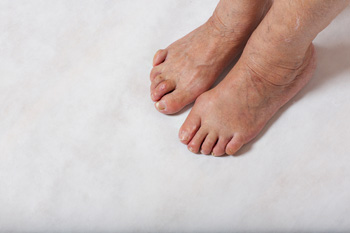
Hammertoe develops when a smaller toe bends abnormally at its middle joint, creating a raised shape that can rub against shoes. The second toe is affected most frequently, although other toes can also develop this problem. Hammertoe occurs when the muscles and tendons that control a toe no longer pull with equal strength. Tendons are strong tissues that connect muscles to bones. Foot structure, arthritis, and certain nerve conditions can contribute to this imbalance. Wearing tight shoes and high heels can increase pressure on the toes and make symptoms worse. At first, the bent toe may still straighten when gently moved. Later, it can become stiff and difficult to straighten. A podiatrist can identify changes in toe position before they interfere with daily movement.
Hammertoe can cause pain when the raised joint presses against the inside of a shoe. Redness, swelling, and tenderness may develop around the affected toe. Repeated rubbing can create corns or calluses, which are thick areas of skin caused by pressure. Some patients develop blisters or irritated skin that can break open. Pain beneath the ball of the foot can also occur because the bent toe changes how weight is shared across the foot. Patients may notice that walking feels uncomfortable or that certain shoes no longer fit well. A podiatrist can examine the toe while the patient sits and stands. The examination helps show whether the joint remains flexible or has become fixed in place. X-rays can provide more information about bone position and nearby joints.
A podiatrist can recommend treatment that reduces pressure and improves comfort. Wearing shoes with a roomy toe box can give the bent toe more space. Protective padding may help limit rubbing against the raised joint. Custom orthotics, which are inserts made to support the feet, can help redistribute pressure when walking. For a flexible hammertoe, a podiatrist may use taping to improve toe position temporarily. Painful corns and calluses can also be treated professionally. These measures can ease symptoms, but they do not always straighten a toe that has become stiff. Follow-up examinations allow the podiatrist to monitor joint movement and check for skin problems. Early attention can help patients stay active and avoid worsening irritation. If you have hammertoe, it is suggested that you schedule an appointment with a podiatrist for a diagnosis and appropriate treatment.
Hammertoe
Hammertoes can be a painful condition to live with. For more information, contact one of our podiatrists from North Bay Ankle & Foot Center. Our doctors will answer any of your foot- and ankle-related questions.
Hammertoe is a foot deformity that affects the joints of the second, third, fourth, or fifth toes of your feet. It is a painful foot condition in which these toes curl and arch up, which can often lead to pain when wearing footwear.
Symptoms
- Pain in the affected toes
- Development of corns or calluses due to friction
- Inflammation
- Redness
- Contracture of the toes
Causes
Genetics – People who are genetically predisposed to hammertoe are often more susceptible
Arthritis – Because arthritis affects the joints in your toes, further deformities stemming from arthritis can occur
Trauma – Direct trauma to the toes could potentially lead to hammertoe
Ill-fitting shoes – Undue pressure on the front of the toes from ill-fitting shoes can potentially lead to the development of hammertoe
Treatment
Orthotics – Custom made inserts can be used to help relieve pressure placed on the toes and therefore relieve some of the pain associated with it
Medications – Oral medications such as anti-inflammatories or NSAIDs could be used to treat the pain and inflammation hammertoes causes. Injections of corticosteroids are also sometimes used
Surgery – In more severe cases where the hammertoes have become more rigid, foot surgery is a potential option
If you have any questions, please feel free to contact our offices located in Petaluma and Sonoma, CA . We offer the newest diagnostic and treatment technologies for all your foot care needs.
Connect with us